CLEARER PRODUCT DECISIONS

We compare products with less guesswork.

ChoiceCheckLab turns product details and evidence into clearer buying decisions.

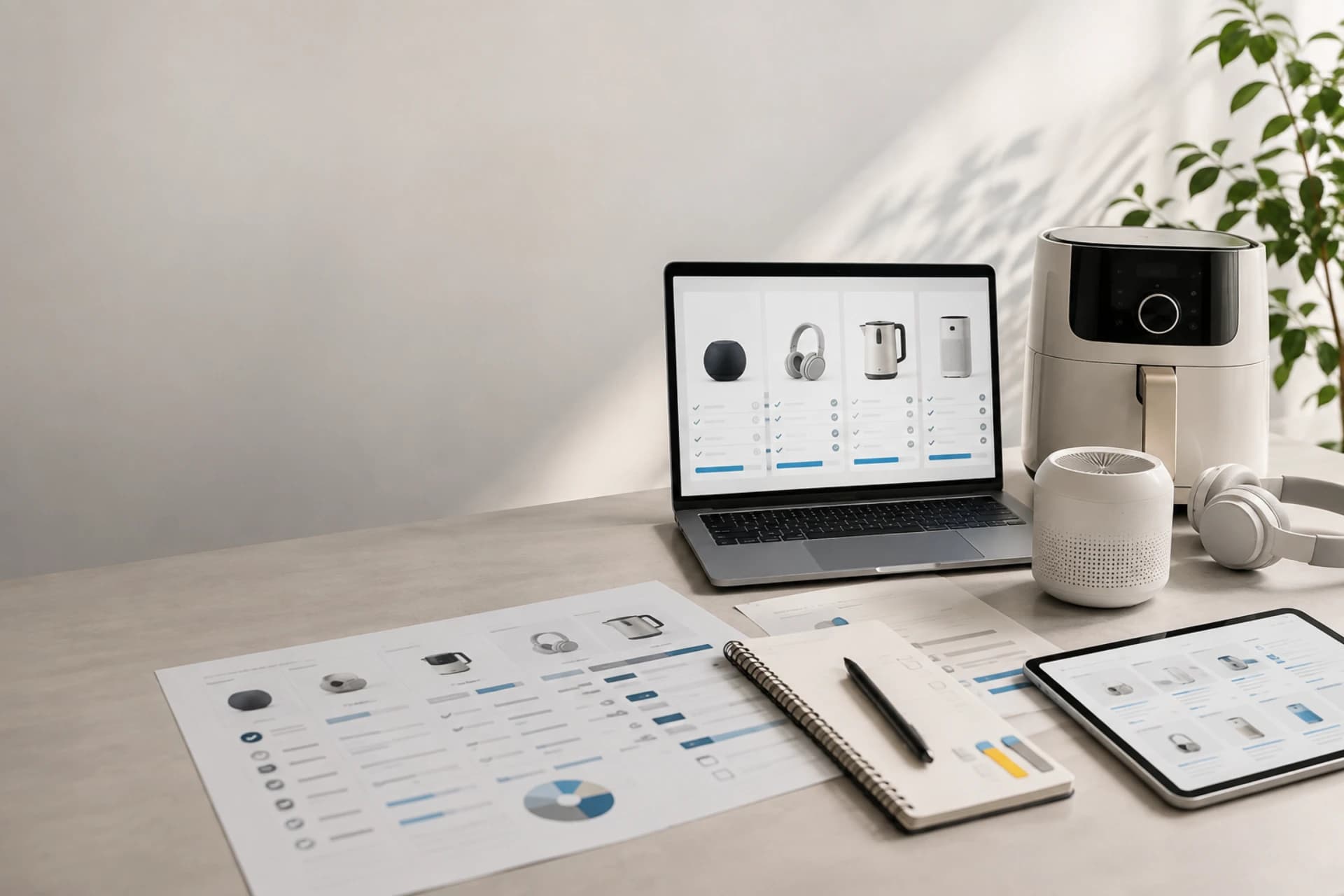
Product comparison workspace with consumer products, research notes, and a comparison dashboard.

We read the reviews nobody reads

For comparisons researched under this method, we read every one-, two- and three-star review a listing holds, as far back as they go, and record only what several people report independently. A complaint that appears in every year for a decade is a design fault. One that spikes in a single year is a bad production run. The difference matters, and it is invisible from the star rating.

We read what the warranty excludes

A company knows what fails in its own product, and the exclusions are where it says so. It is often the most useful sentence available about a product, and almost nobody quotes it.

Researched pages show their sources

A comparison researched this way ends with a list of what was consulted and on what date, including sources that were checked and turned up nothing. If a page carries no such list, it has not been researched this way yet, and we say so. Best Packing Cubes is the first example; earlier guides are being updated.

OUR EDITORIAL PROCESS

What "we checked" means here

Most comparison sites describe a process. Here is one you can open and check.

For our packing-cube comparison we read 772 customer reviews across the four products, the published warranty terms of all four brands, the CPSC recall database and the SaferProducts incident reports, and community threads going back several years. The page lists all of it, with dates, including the checks that found nothing.

See what we looked at

START WITH YOUR QUESTION

Start with the question that shapes your decision.

Before comparing products, it helps to settle the question: what problem you are solving, which features actually change the decision, what evidence supports a recommendation, and what trade-offs to expect.

Explore common buying questions · See how we choose criteria · Read our evidence standards · See how we evaluate trade-offs