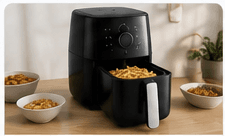
Kitchen Appliances
Cooking, heating, drinks, and everyday food preparation.
- Air fryers
- Microwaves
- Coffee makers
BROWSE ALL CATEGORIES
Explore broad product areas before narrowing the choice through specific needs, criteria, and evidence.
Cooking, heating, drinks, and everyday food preparation.

Devices and accessories for work, entertainment, and communication.
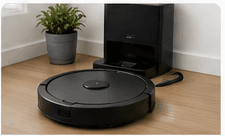
Products for cleaning, laundry, storage, and indoor comfort.

Products connected to grooming, hygiene, skincare, and daily routines.

Equipment and essentials for movement, training, travel, and outdoor use.
Everyday products designed around care, safety, and family routines.

Tools and equipment for focused, comfortable, and practical work.
Practical products for storage, travel, hydration, and daily use.
START WITH THE DECISION
Consider setup, controls, upkeep, and the routines the product needs to fit.
Focus on the outcomes that matter for the task, not a claim in isolation.
Look beyond the initial choice to durability, care, and useful life.
Check space, people, systems, and constraints that can determine suitability.
HOW WE WORK
Clarify the use case, reader needs, and decision to be made.
Identify the factors that can materially change the choice.
Keep sources, strengths, trade-offs, and limitations linked.
Direct evaluation appears only when it forms part of the available evidence. Not every product or category is physically tested.